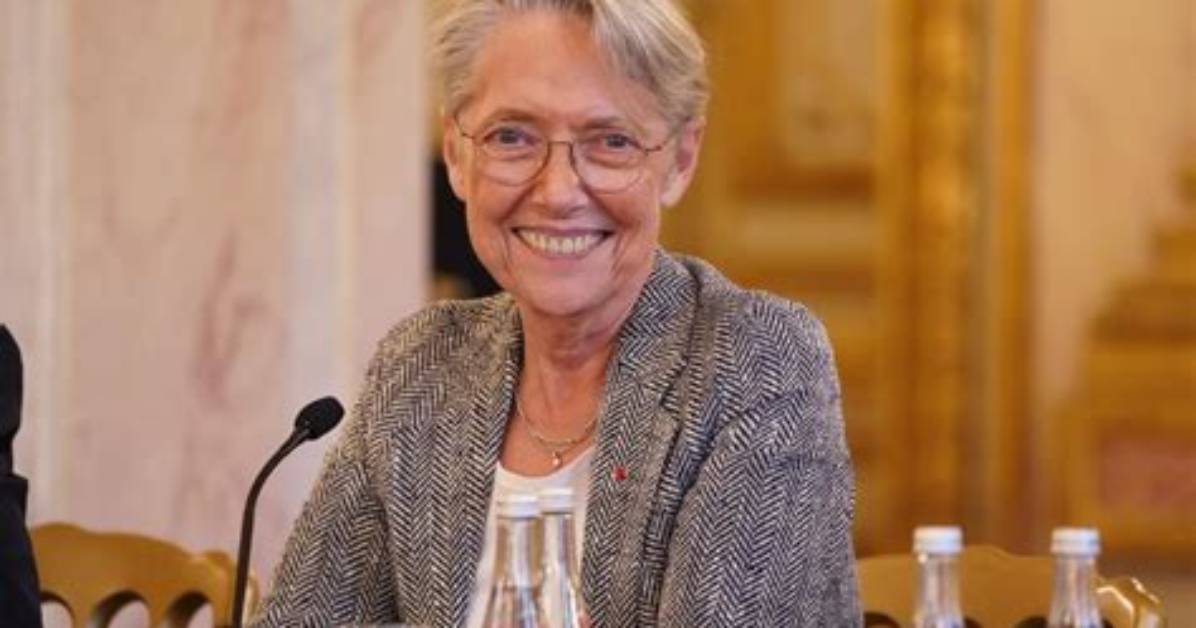
Elisabeth Borne Compagnon Wiki, Bio, Divorce, Height, Facts
Elisabeth Borne was the last labor minister in Emmanuel Macron’s government, taking over from Jean Castex, who had been expected to leave following Macron’s reelection to a second five-year term last month.
She spoke after her appointment, expressing her joy at becoming the country’s most senior woman ever in politics. She’ll next focus on ensuring that Macron’s centrist party and its allies do well in the country’s upcoming parliamentary election. The June election will decide which political party has control of the National Assembly, which possesses absolute legislative power over the Senate.
Assume, for the sake of argument, that Macron’s party prevails in the Assembly. In that scenario, Borne will have to ensure that the president’s stated pension changes, such as those pushing retirement age up to 65 years old, are implemented. The planned changes have been condemned by employees, unions, and left-wing voters alike.
During the meeting, Macron announced a number of measures aimed at increasing domestic production and protecting French jobs. The goal is to “double down on innovation.” He also mentioned that his new administration would be in charge of “green planning” to speed up the passage of environmental laws in France. “I am determined to cut carbon emissions by 50% within ten years,” he said during his presidential campaign.
Borne’s track record has been mixed, with critics on the left, labor unions, and unemployed people. Since becoming Labor Minister in 2020, she has implemented measures that make it more difficult for jobless persons to get benefits and have lower monthly payments for some unemployed individuals.