What Is the Difference Between Direct Calorimetry and Indirect Calorimetry
Nutritional Assistance Is Critical in the Treatment of Both Acute and Chronic Disease Patients. Clinical Malnutrition Affects up to 50% of Hospitalized Patients, Which Is Linked to Higher Infectious Morbidity, Hospital Length of Stay, and Death. Optimizing Nutritional Assistance for the Critically Sick and Patients with Acute and Chronic Respiratory Diseases Decreases Healthcare Expenditures While Increasing the Functional Quality of Life.
Frequently Asked Questions
Direct Calorimetry vs Indirect Calorimetry
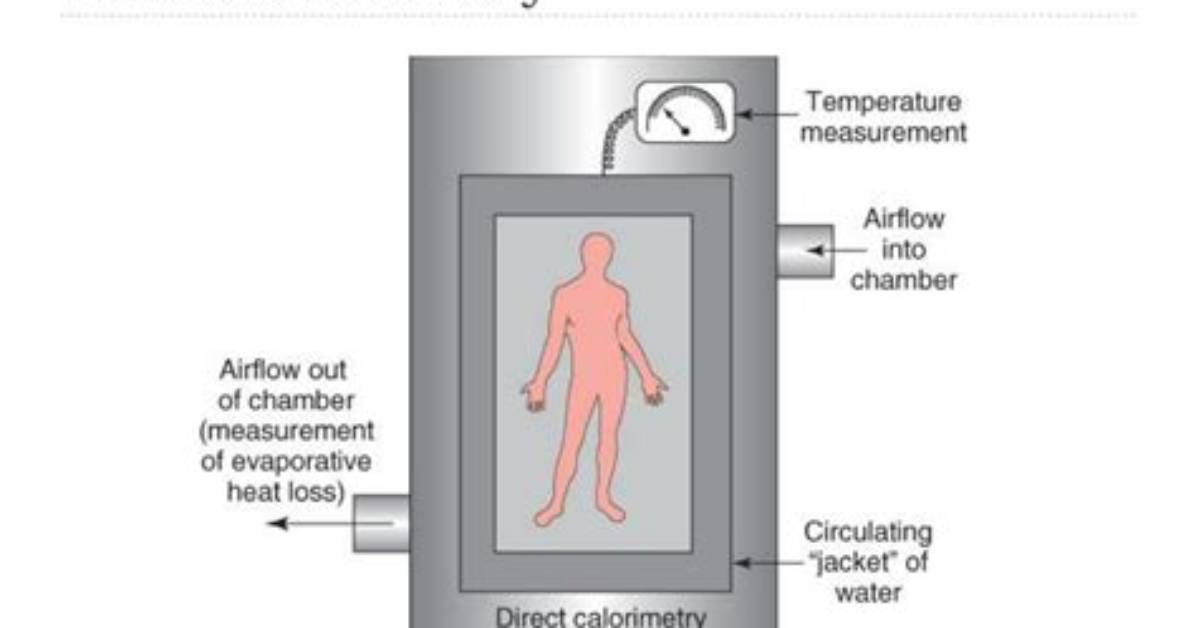
The Main Difference Between Direct Calorimetry and Indirect Calorimetry Is That Direct Calorimetry Gets an Immediate Estimation of the Measure of Warmth Produced by the Body Inside a Construction Adequately Huge to Allow Moderate Measures of Action While Indirect Calorimetry Is the Reference Standard and Clinically Prescribed Intends to Gauge Energy Consumption.
Comparison Table Between Direct Calorimetry and Indirect Calorimetry
Direct Calorimetry Is the Best Quality Level Method for Estimating the Human Metabolic Rate, and Its Utilization Has Been Key for Understanding Digestion in Wellbeing and Infection. While Metabolic Rate Is Presently More Regularly Assessed by Implication from Proportions of the Oxygen Burned Through During Breath, Direct Calorimetry Gives the Client the One-of-a-Kind Ability to Evaluate the Warmth Delivered from High-Impact and Anaerobic Digestion by Estimating Heat Trade Between the Body and the Climate.
What Is Direct Calorimetry?
Direct Calorimetry Is the Best Quality Level Method for Estimating the Human Metabolic Rate, and Its Utilization Has Been Key for Understanding Digestion in Wellbeing and Infection. While Metabolic Rate Is Presently More Regularly Assessed by Implication from Proportions of the Oxygen Burned Through During Breath, Direct Calorimetry Gives the Client the One-of-a-Kind Ability to Evaluate the Warmth Delivered from High-Impact and Anaerobic Digestion by Estimating Heat Trade Between the Body and the Climate.
What Is Indirect Calorimetry?
Indirect Calorimetry Is a Noninvasive, Solid, and Important Instrument in Evaluating Energy Use and Fuel Use by the Body. Researchers from Different Disciplines Have Utilized It to Quantify Energy Consumption, Build up Supplement Prerequisites, Measure Actual Wellness, and Assess Macronutrient Usage During Activity and Rest.
Main Differences Between Direct and Indirect Calorimetry
Calorimetry Is a Cycle That Measures the Warmth Discharge from the Digestion of Cell Energizes. It Gives an Evaluation of Caloric Energy Present in Food Sources and Takes into Consideration the Estimation of Energy Use to Decide Satisfactory Calorie Prerequisites. This Data Can Be Utilized for a Heap of Clinical Applications. Assessing Fitting Caloric Admission, Evasion of Overloading and Starving, and Estimating Caloric Necessities in Various Illness States Can Be Accomplished Through Calorimetry.
Conclusion
Calorimetry Is a Cycle That Measures the Warmth Discharge from the Digestion of Cell Energizes. It Gives an Evaluation of Caloric Energy Present in Food Sources and Takes into Consideration the Estimation of Energy Use to Decide Satisfactory Calorie Prerequisites. This Data Can Be Utilized for a Heap of Clinical Applications. Assessing Fitting Caloric Admission, Evasion of Overloading and Starving, and Estimating Caloric Necessities in Various Illness States Can Be Accomplished Through Calorimetry.